Environmental concerns have become a critical factor in property development, business operations, and land ownership. In Washington, where regulatory standards are strict and environmental risks are prevalent, developers, business owners, and property owners increasingly depend on environmental consultants to mitigate soil and water risks. From soil sampling and groundwater assessment to commercial environmental testing and environmental site assessments, these professionals play a crucial role in ensuring compliance, sustainability, and risk management.
The Growing Need for Environmental Consultants in Washington
Washington’s unique geography and environmental regulations make it imperative for stakeholders to address soil and water quality issues proactively. Whether dealing with industrial sites, commercial properties, or residential developments, environmental consultants, such as Puget Environmental, provide specialized knowledge and technical expertise to navigate complex environmental challenges. Their work helps businesses and property owners avoid costly penalties, project delays, and potential liabilities arising from contamination and non-compliance.
Key Environmental Challenges in Washington
- Contaminated Soil: Industrial activities, agricultural practices, and past land use can lead to soil contamination, affecting property values and posing health risks.
- Groundwater Contamination: Pollutants such as heavy metals, petroleum products, and hazardous chemicals can seep into the groundwater, jeopardizing water quality.
- Stormwater Management: Washington experiences significant rainfall, which can lead to runoff pollution and soil erosion if not managed properly.
- Regulatory Compliance: The Washington State Department of Ecology (Ecology) and the Environmental Protection Agency (EPA) enforce stringent environmental regulations, making compliance a top priority for businesses and developers.
The Role of Environmental Consultants in Mitigating Soil and Water Risks
1. Soil Sampling and Analysis
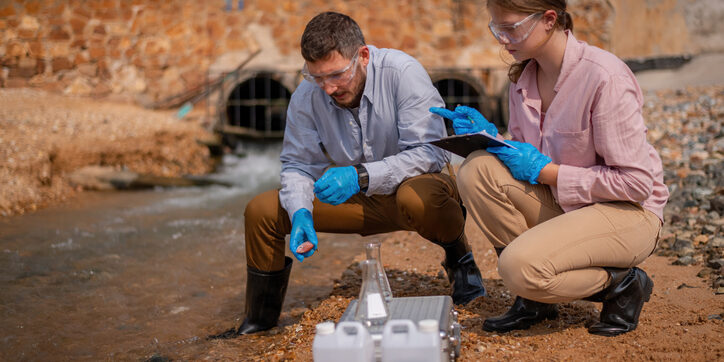
Soil contamination is a major concern in both urban and rural areas. Soil sampling is an essential first step in identifying pollutants such as lead, arsenic, petroleum hydrocarbons, and industrial waste. Environmental consultants conduct comprehensive soil testing using advanced methodologies to determine contamination levels and recommend remediation strategies.
Benefits of Soil Sampling:
- Identifies contaminants before construction or development
- Ensures compliance with state and federal environmental regulations
- Helps property owners and developers make informed land-use decisions
- Prevents costly remediation efforts by detecting issues early
2. Groundwater Assessment and Protection
Groundwater contamination can have long-term environmental and public health implications. A groundwater assessment evaluates the quality and movement of underground water sources to identify potential contaminants. Environmental consultants conduct groundwater sampling and hydrological studies to assess risks and propose mitigation measures.
Key Aspects of Groundwater Assessment:
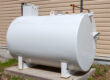
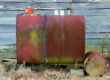
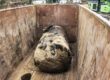
- Evaluating potential sources of contamination (e.g., underground storage tanks, industrial waste, agricultural runoff)
- Monitoring water table fluctuations and contamination levels
- Designing remediation strategies such as groundwater treatment systems
- Ensuring safe drinking water supplies for communities and businesses
3. Commercial Environmental Testing for Businesses
Businesses operating in Washington must adhere to strict environmental standards. Commercial environmental testing involves analyzing soil, water, and air samples to detect pollutants that could pose legal and financial risks. Environmental consultants help businesses comply with regulations by conducting routine testing and developing pollution prevention plans.
Industries That Benefit from Commercial Environmental Testing:
- Manufacturing and industrial facilities
- Construction and real estate development
- Agriculture and food processing
- Oil and gas operations
- Waste management and recycling facilities
4. Environmental Site Assessment (ESA) for Property Transactions
Real estate transactions, especially for commercial and industrial properties, require thorough due diligence to assess potential environmental liabilities. A Phase I Environmental Site Assessment (ESA) is a standard procedure that identifies potential environmental hazards before property acquisition. If concerns arise, a Phase II ESA involving detailed soil and groundwater testing may be required.
Why Environmental Site Assessments Are Crucial:
- Protects buyers from inheriting environmental liabilities
- Facilitates smooth property transactions by ensuring regulatory compliance
- Helps lenders and investors evaluate risks before financing deals
- Supports land redevelopment efforts by identifying remediation needs
The Regulatory Landscape and Compliance Requirements in Washington
Washington has some of the most stringent environmental regulations in the U.S., enforced by agencies such as the Washington State Department of Ecology and the EPA. Key regulatory frameworks include:
- Model Toxics Control Act (MTCA): Governs cleanup requirements for contaminated sites
- Clean Water Act (CWA): Regulates water pollution and stormwater management
- Resource Conservation and Recovery Act (RCRA): Oversees hazardous waste management
Failure to comply with these regulations can result in hefty fines, legal battles, and reputational damage. Environmental consultants help businesses and property owners navigate these complex laws, ensuring full compliance and minimizing risks.
Environmental risks related to soil and water quality can have far-reaching implications for developers, business owners, and property owners in Washington. By leveraging the expertise of environmental consultants, stakeholders can proactively address these challenges through soil sampling, groundwater assessment, commercial environmental testing, and environmental site assessments. These services not only ensure compliance with stringent regulations but also safeguard public health, property values, and long-term sustainability. As environmental concerns continue to grow, the role of environmental consultants remains indispensable in helping Washington’s businesses and property owners mitigate risks effectively.
At Puget Environmental, we specialize in providing reliable and environmentally responsible solutions for oil tank removal, oil tank decommissioning, groundwater assessment, environmental assessment, and soil remediation. With a commitment to safety, compliance, and sustainability, our experienced team ensures that every project is handled with precision and care. We take pride in helping homeowners and businesses navigate environmental challenges while protecting their properties and the community. Whether you need an inspection, removal, or remediation services, Puget Environmental is your trusted partner for expert, eco-friendly solutions. Contact us today, call 206-518-4887.